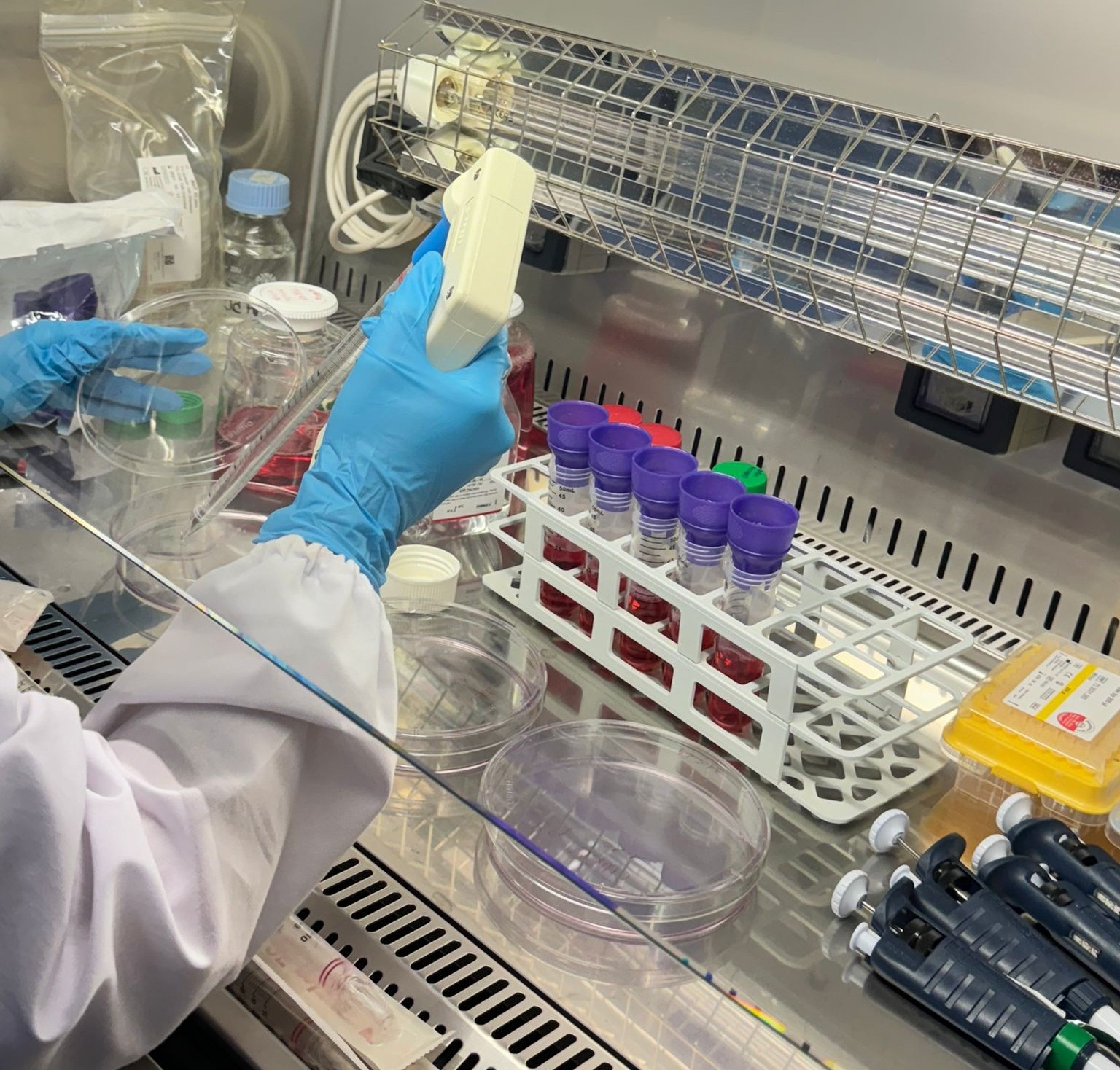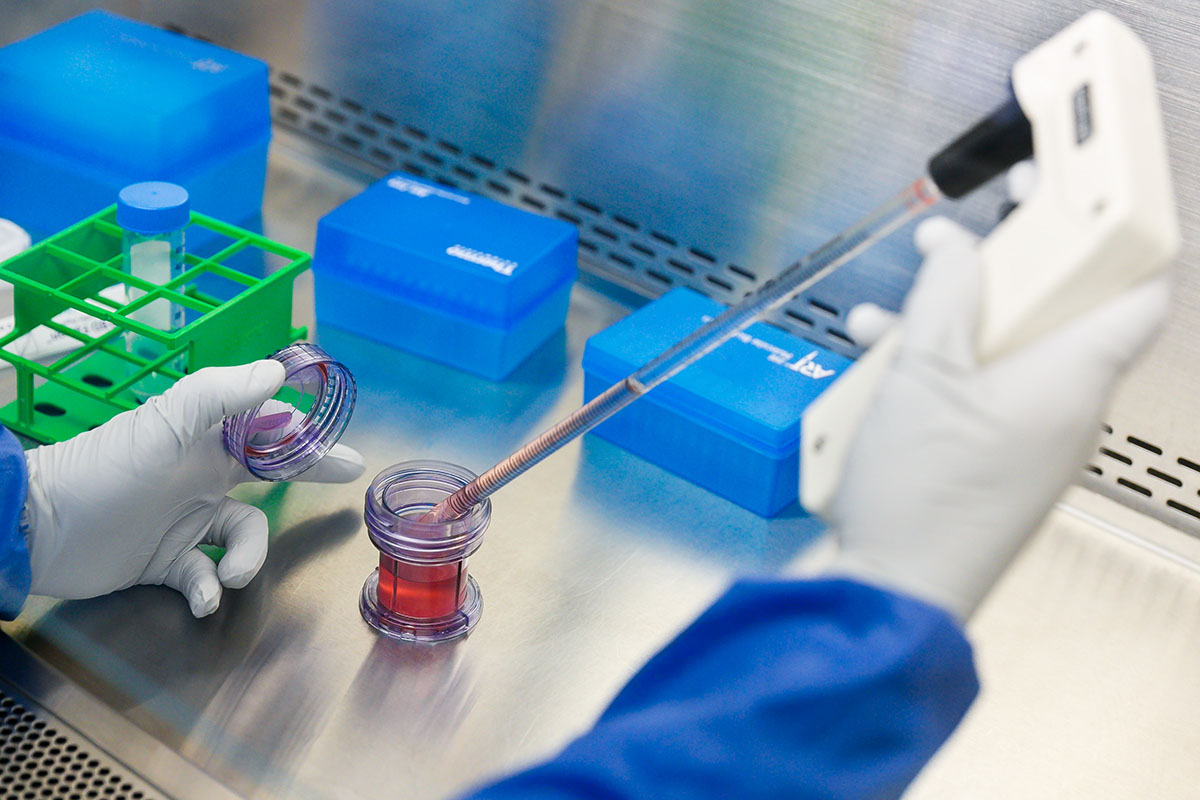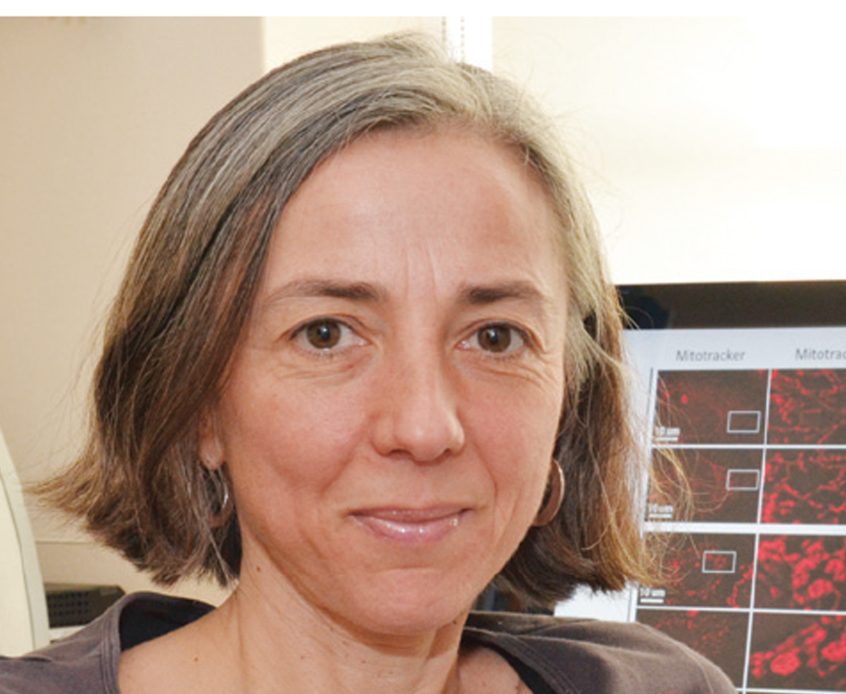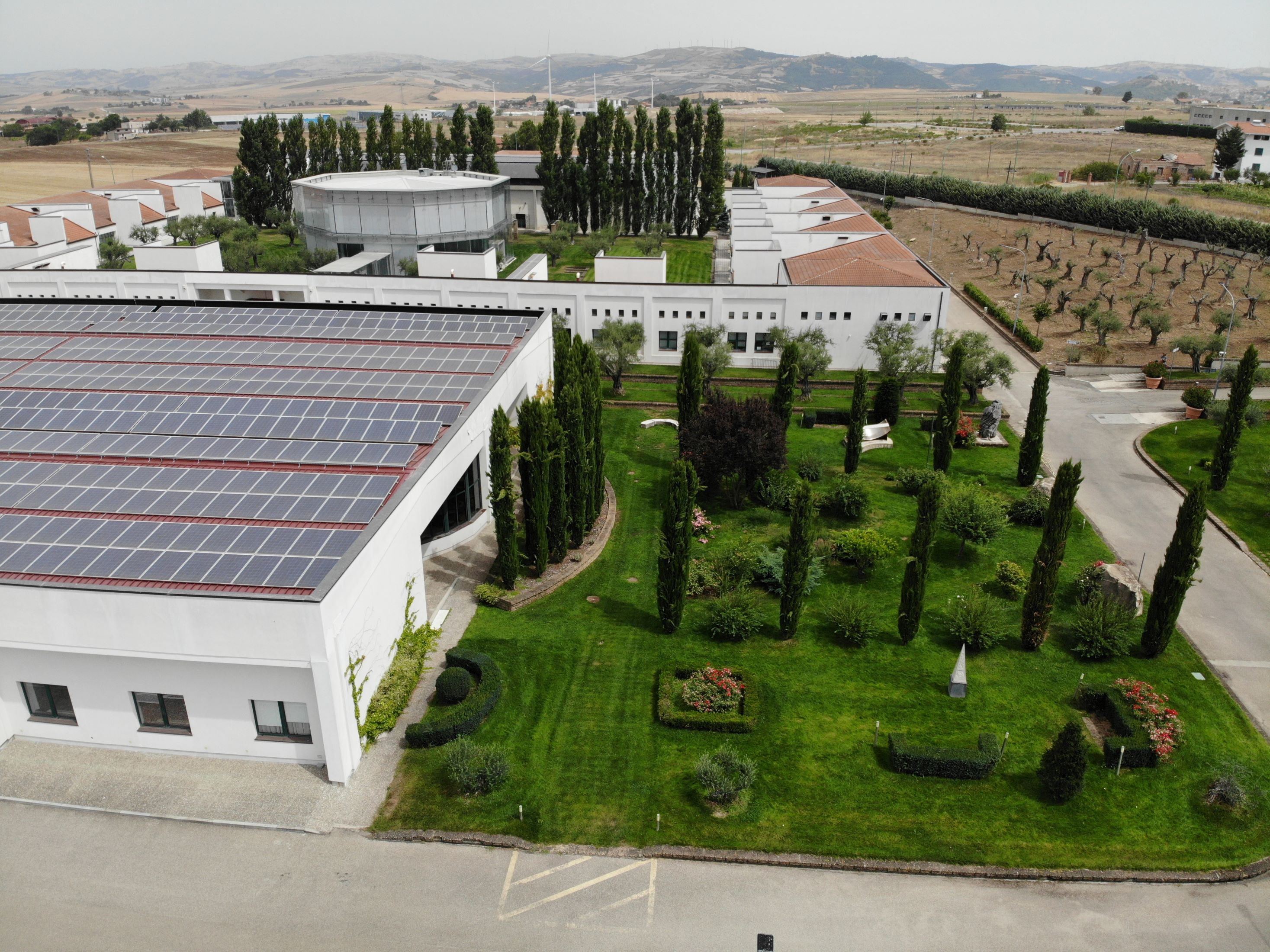

There is also Biogem in the Campania tomato defense project (DIPOCA), carried out by a Research Consortium directed by Professor Pasquale Ferranti (Department of Agriculture, University of Naples Federico II), and concerning the development of diagnostic methodologies for the analysis of toxins released by fungi of the Alternaria genus. This project, funded by the Campania Region, includes the work of the group of Dr. Giuseppe Raucci, head of the Bioanalytical Laboratory in the Biogem Test Facility, engaged in studies that measure the negative impact of these tomato pathogens on the quantitative levels of production and, above all, on food safety throughout the production chain. <<Consequently – Raucci himself specifies – the availability of a technology that supports the monitoring of these toxins in a rapid and accurate manner is an important element for the purposes of quality certification and protection, on a commercial level, of this important agri-food sector of Campania>>.
The regional consortium includes both the representative body of producers associated with Confindustria (ANICAV) and some of the most important companies of the sector in Campania. An understandable involvement, given the turnover of the sector in Italy, estimated at over five billion euros (60% generated abroad), with job opportunities for around 25.000 people on a seasonal basis and around 10.000 annually (sources ANICAV and Sole 24 ore). Numbers that place the national tomato industry among the first three in the world, behind the United States and China, despite a context of rapidly increasing competition at all levels.
<<The first phase of the DIPOCA project – Raucci finally says – has already allowed us to verify the Biogem's ability to respond to the needed technological requirements, while the next stages will lead to the codification of a standardized analytical methodology and the long-awaited start of field testing, meaning both a cultivation area and an industrial processing facility>>.