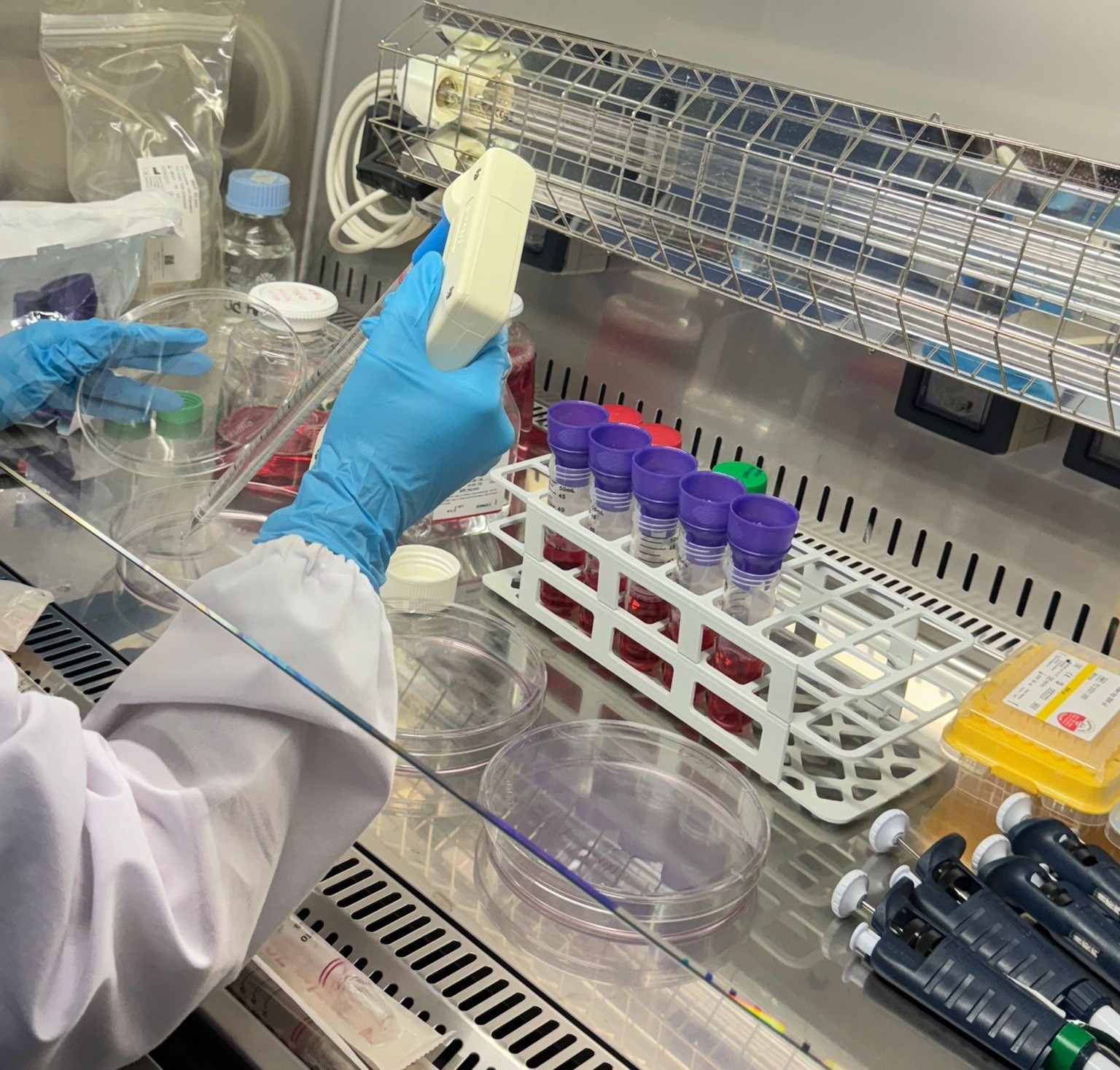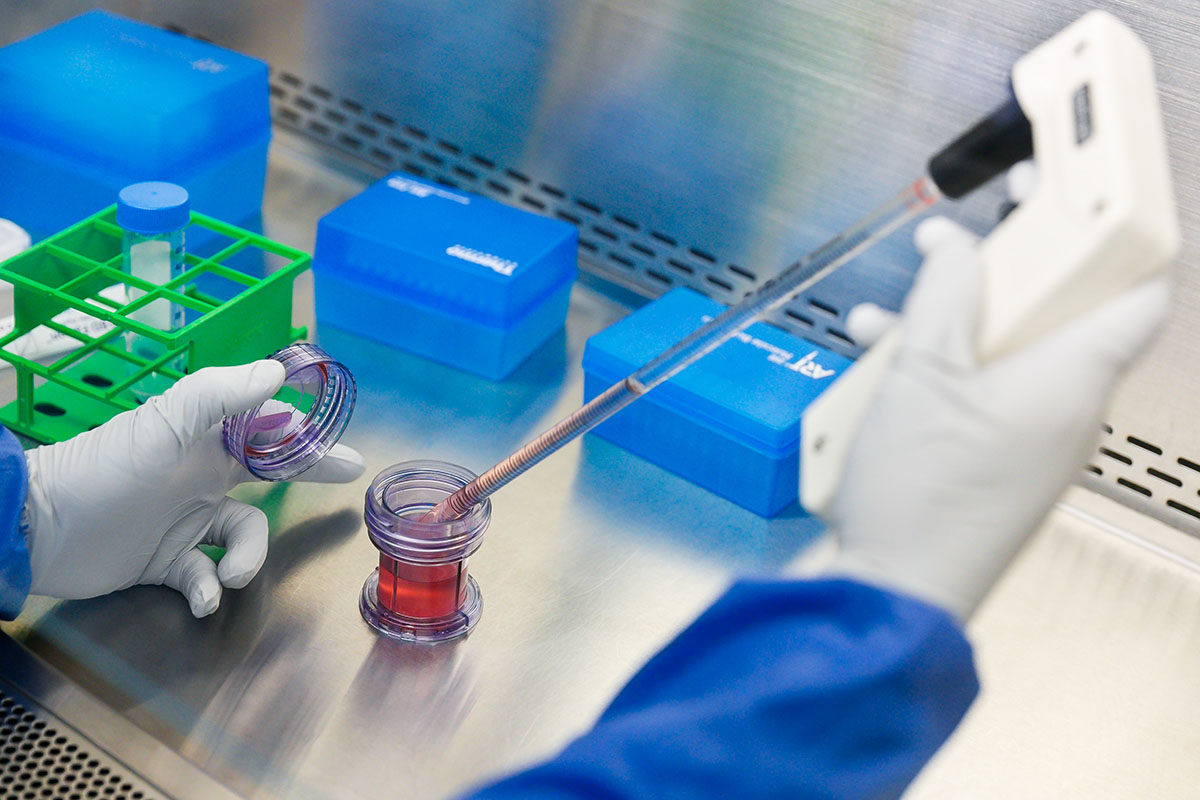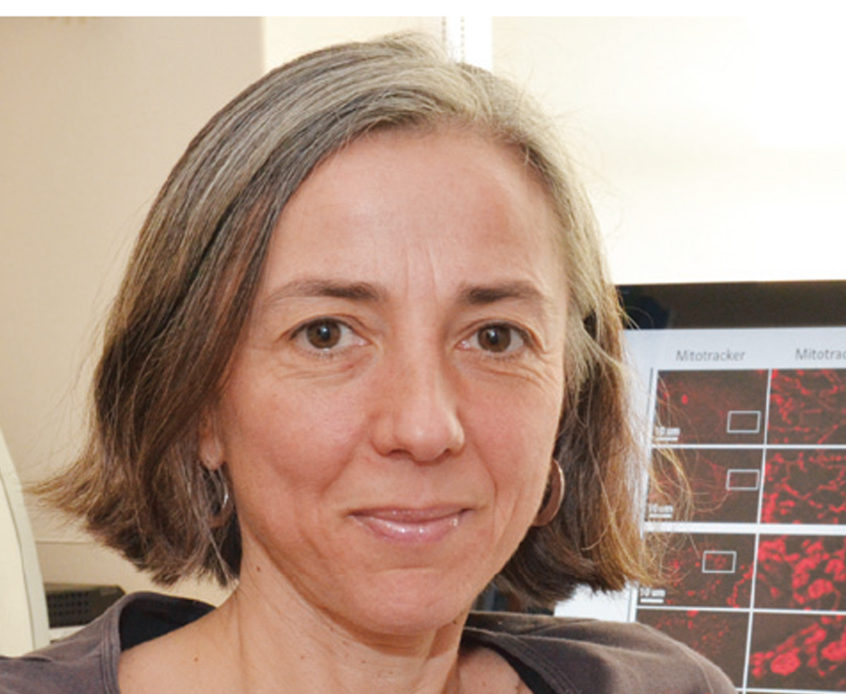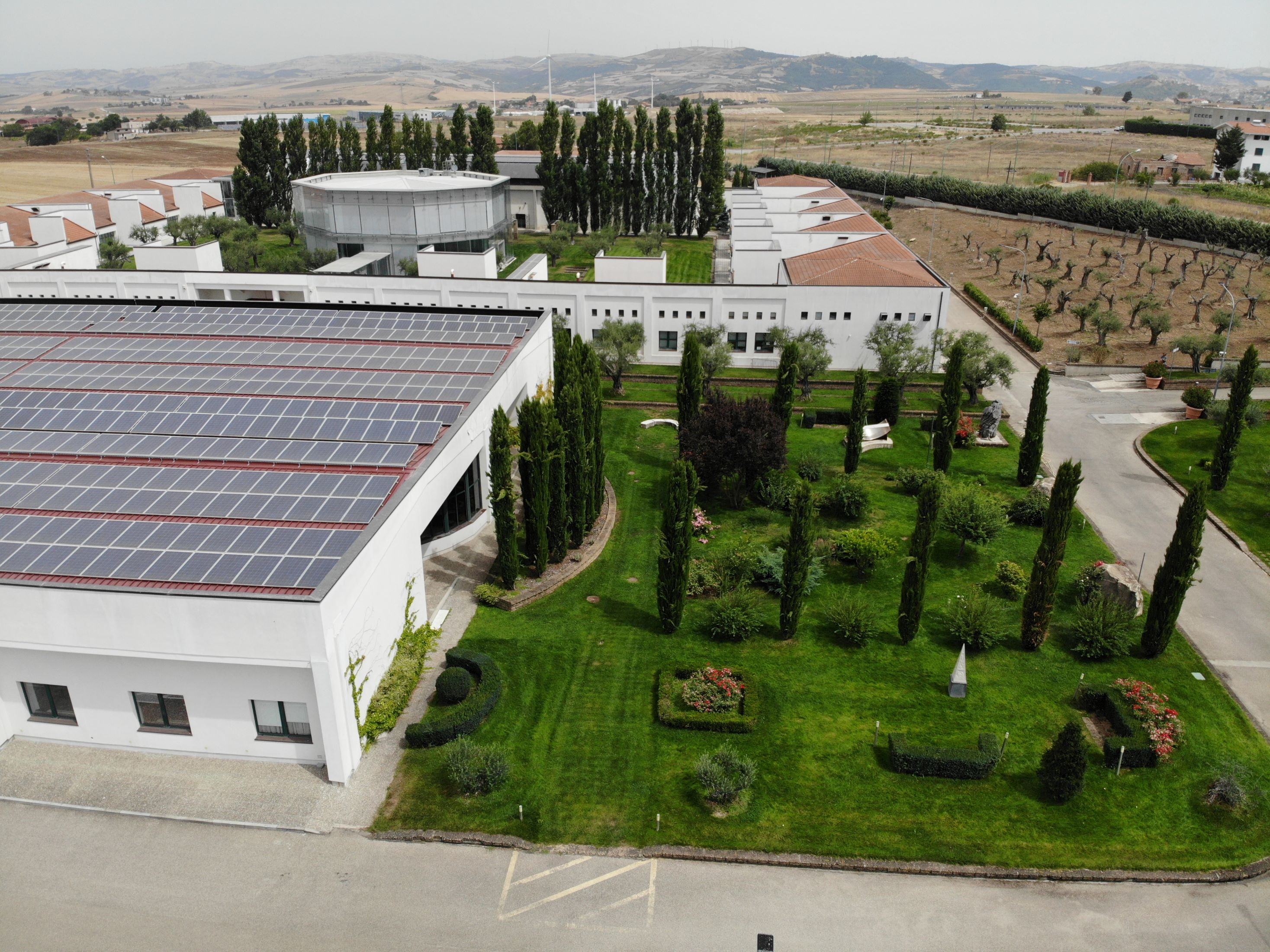
The research, coordinated by Professor Michele Caraglia, head of the Molecular and Precision Oncology Laboratory at Biogem, highlighted the innovative use of nanoparticles to deliver microRNA (miRNA) as a potential treatment for glioblastoma, one of the most aggressive primary brain tumors. The work, carried out by Dr. Marianna Abate (Biogem) and Professor Silvia Zappavigna (University of Campania L. Vanvitelli), supported by Professors Giuseppe De Rosa and Virginia Campani (Department of Pharmacy, University Federico II) and by Doctors Carlo Leonetti and Manuela Porru (Istituto Superiore di Sanità), concerns, in particular, the multiforme glioblastoma, which represents 54% of all gliomas, with an incidence of 15% of all primary brain tumors in adults. A fatal neoplasm, usually characterized by a median survival of only 15 months after diagnosis.
<<Despite the progress in the molecular characterization of glioblastoma - says Marianna Abate - the treatment is not personalized yet and is based on a protocol that includes surgical resection followed by radiotherapy and chemotherapy, the latter then repeated, with an unfortunately bad prognosis>>. <<Thanks to our study - adds Dr. Abate - we have instead developed a combined therapy based on miRNA, miR-603, and miR-221, targeting the enzyme O6-methylguanine methyl transferase (MGMT), a DNA repair enzyme that stimulates chemo-resistance>>.
<<The in vitro studies - adds Dr. Abate - have demonstrated the biocompatibility of the used nanoparticle formulations and the synergistic effect of the treatment combined with the chemotherapy. The tests performed on animal models of glioblastoma resulted, in particular, in an animal survival’s increase of about 30%. In fact, it was possible to observe, after only four weeks of treatment, a stabilization of the disease in 66% of the cases examined>>.
<<The aim of the work that I coordinated – confirms Professor Caraglia – is to propose an innovative therapeutic strategy for the treatment of glioblastoma>> and <<the emerging results – finally declares the professor – represent a concrete hope for improving the clinical outcomes of patients affected by this devastating form of cancer>>.