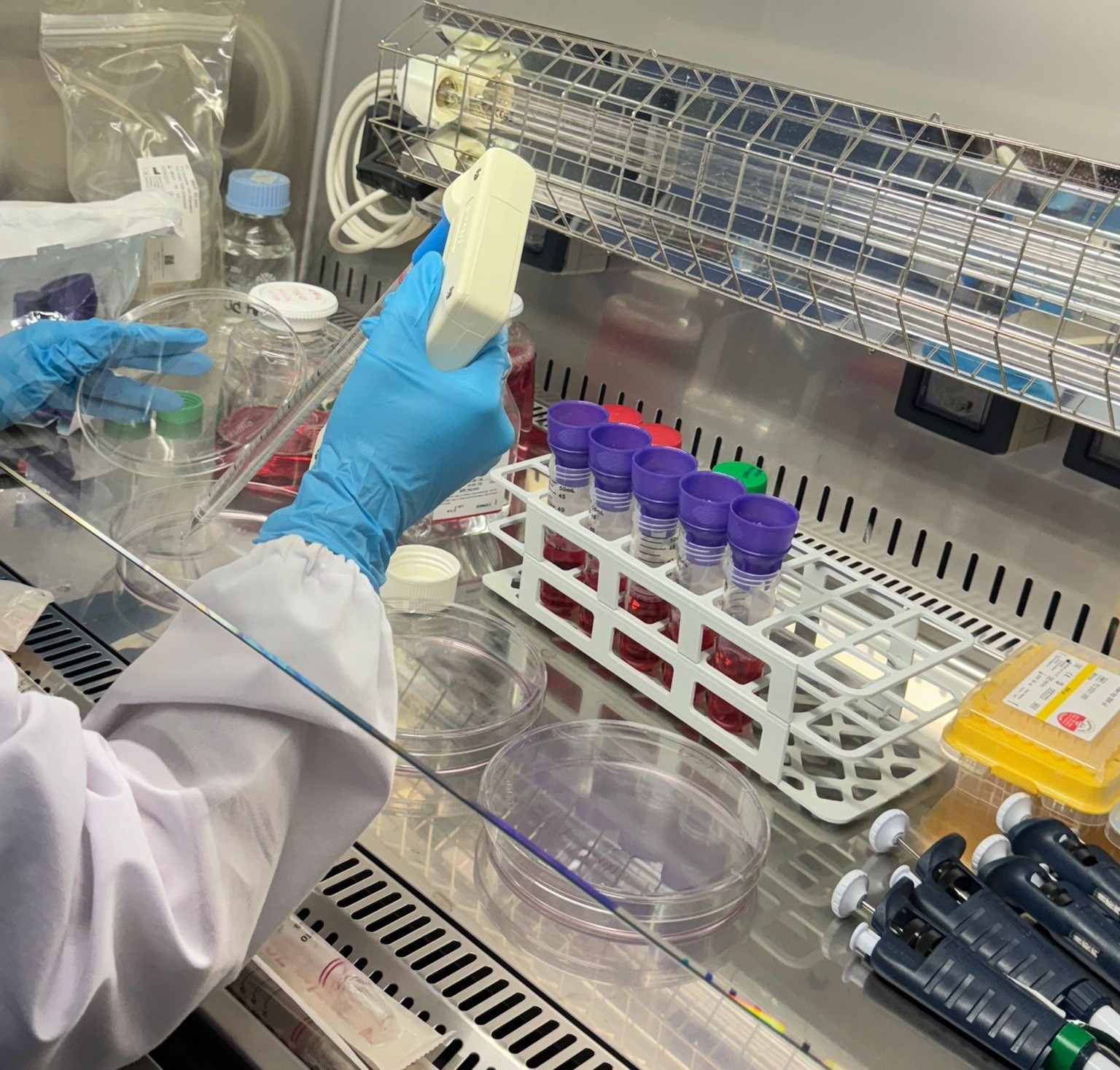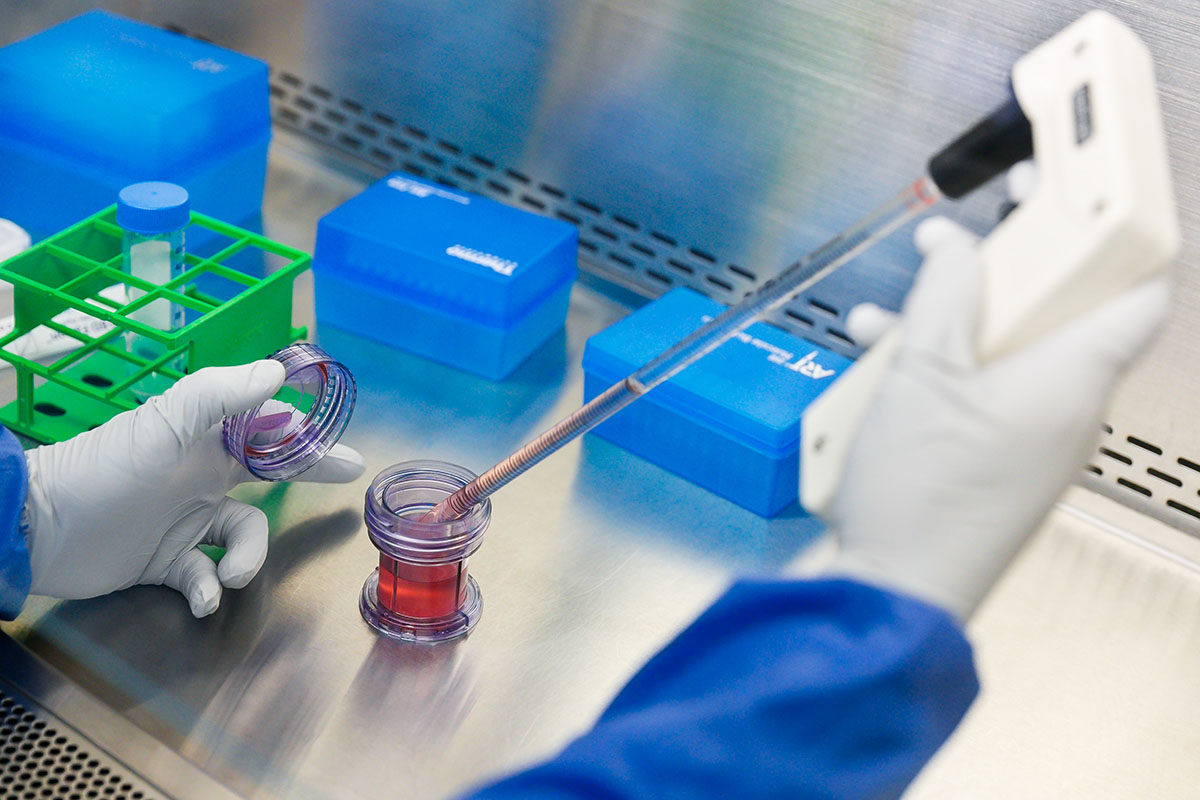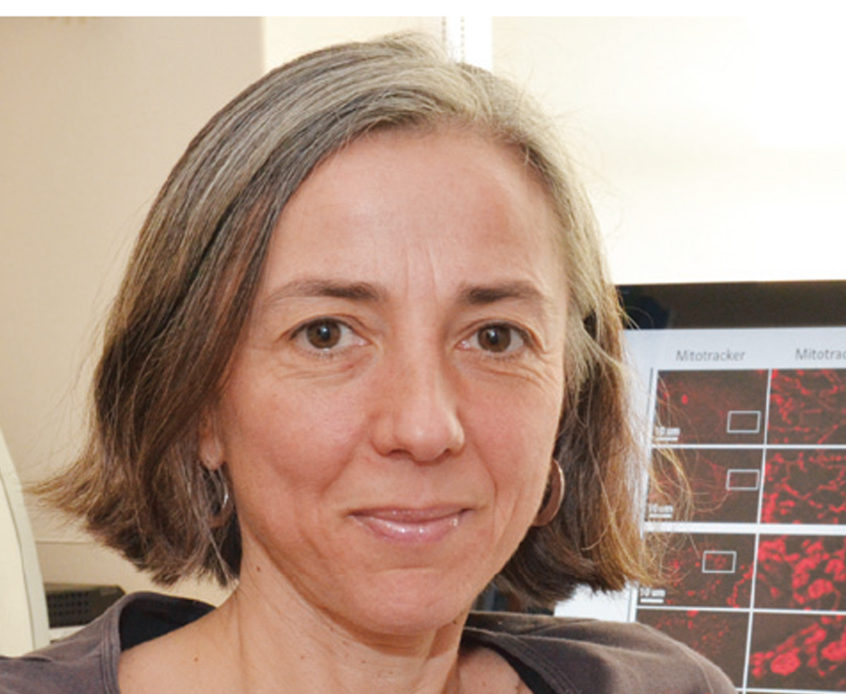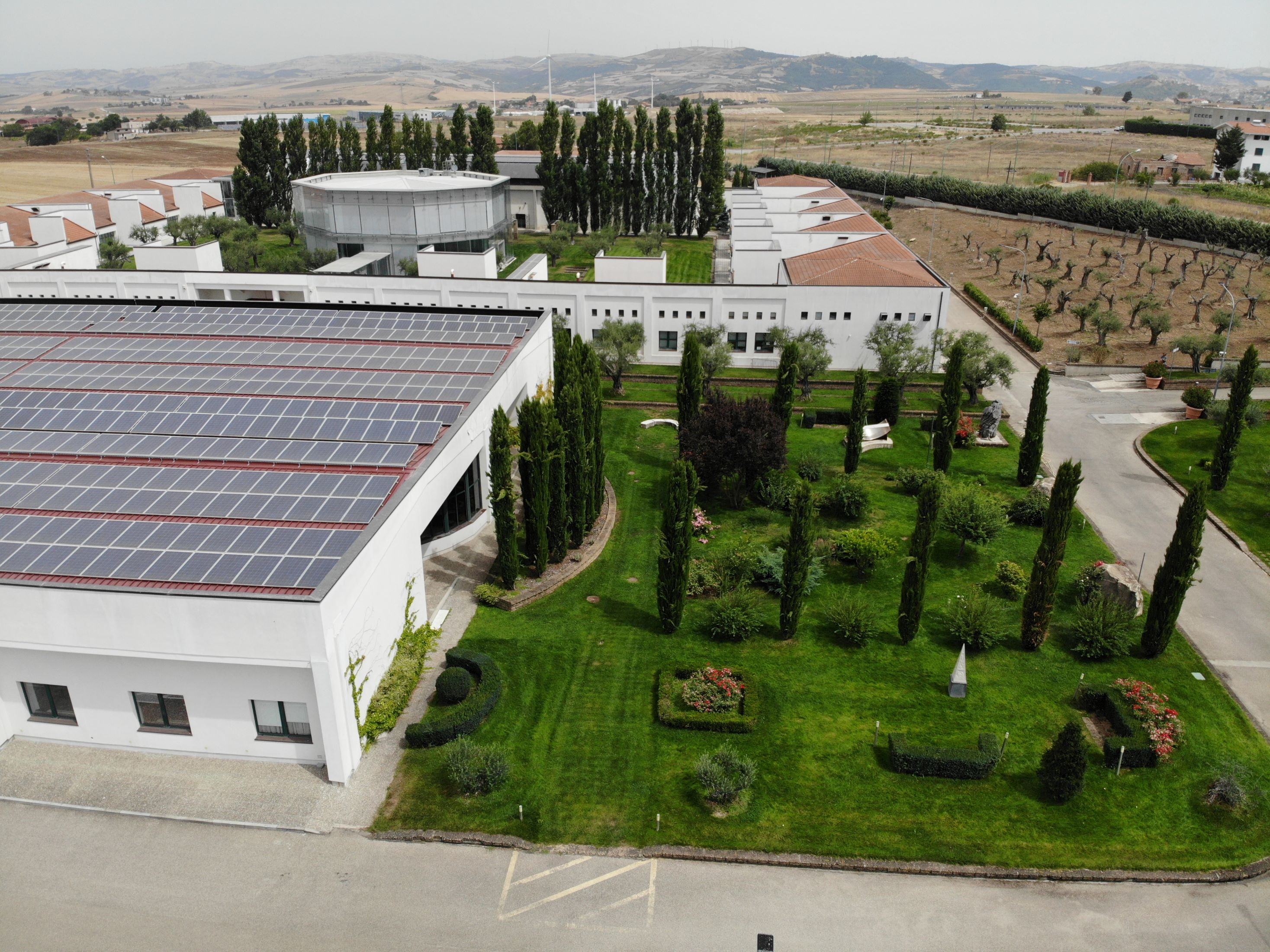
The research, developed by the Cellular Biology and Preclinical Oncology group of the Italian Institute, coordinated by Professor Geppino Falco, focused on the role of a protein called HUNK (acronym for Hormonally Upregulated Neu-associated Kinase) in the progression of stomach cancer, one of the most widespread and deadly forms of neoplasia worldwide. In particular, Biogem researchers discovered that this biomarker acts by promoting the multiplication of tumor cells and their survival, regulating important cellular processes related to division and response to stress. The study, published in the journal Cell Communication and Signaling, also highlighted that HUNK contributes to increasing the levels of a protein called MUC16, better known as CA-125.
<<It is – explains Professor Geppino Falco – an already known marker, mainly used to monitor different types of tumors, such as ovarian cancer, but more and more studies indicate its involvement also in gastric cancer>>. <<These results – emphasizes Dr. Pellegrino Mazzone, one of the co-authors of the research – are important because they shed light on a new molecular mechanism involved in the progression of stomach cancer and, at the same time, open the way to possible targeted therapies, capable of acting specifically on HUNK, blocking the tumor growth>>.
<<In a not too distant future – echoes Dr. Giuseppina di Paola – HUNK could become a therapeutic target for innovative drugs, with the aim of making treatments more effective and personalized, reducing side effects and increasing the chances of survival for patients>>.